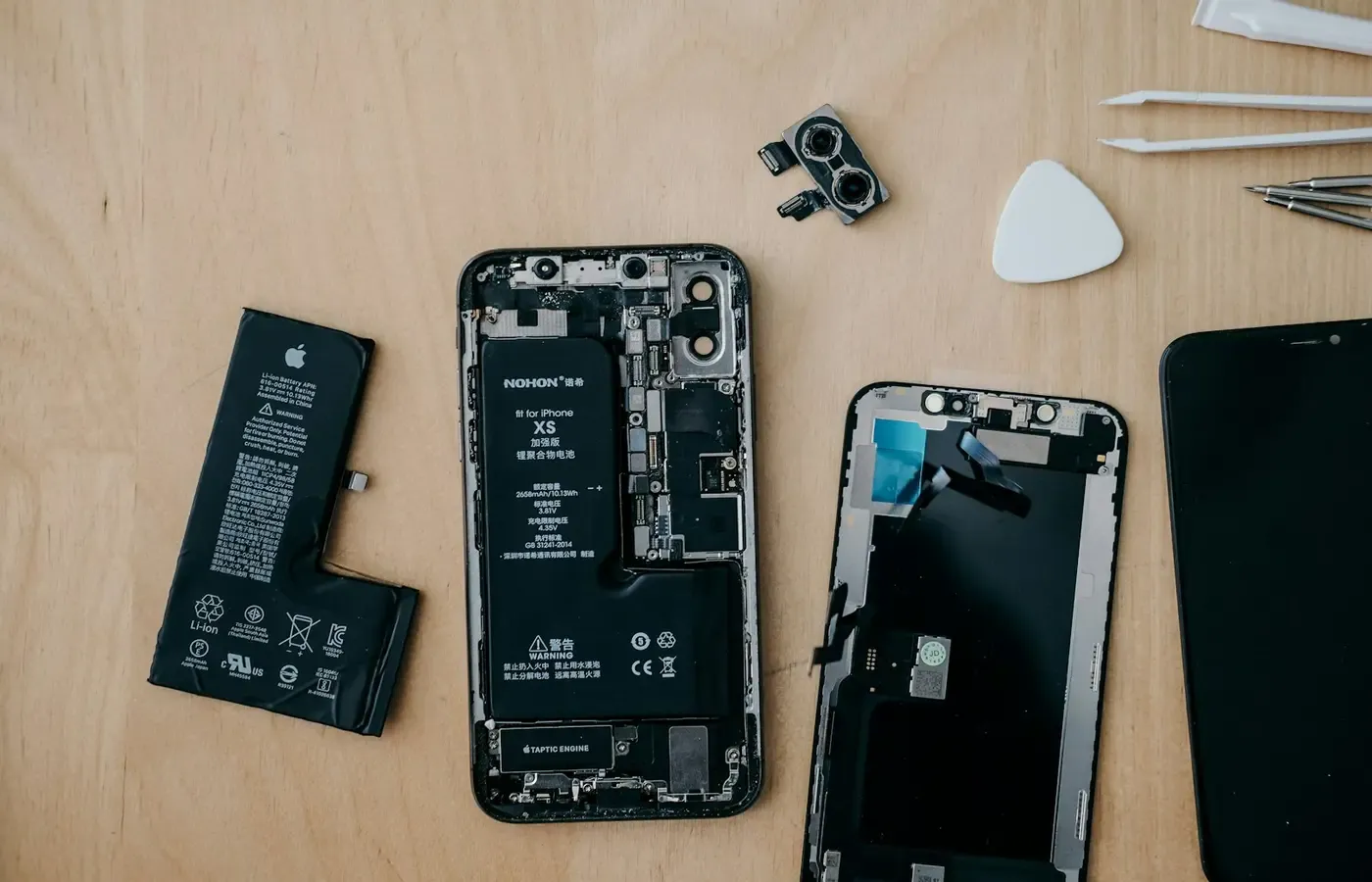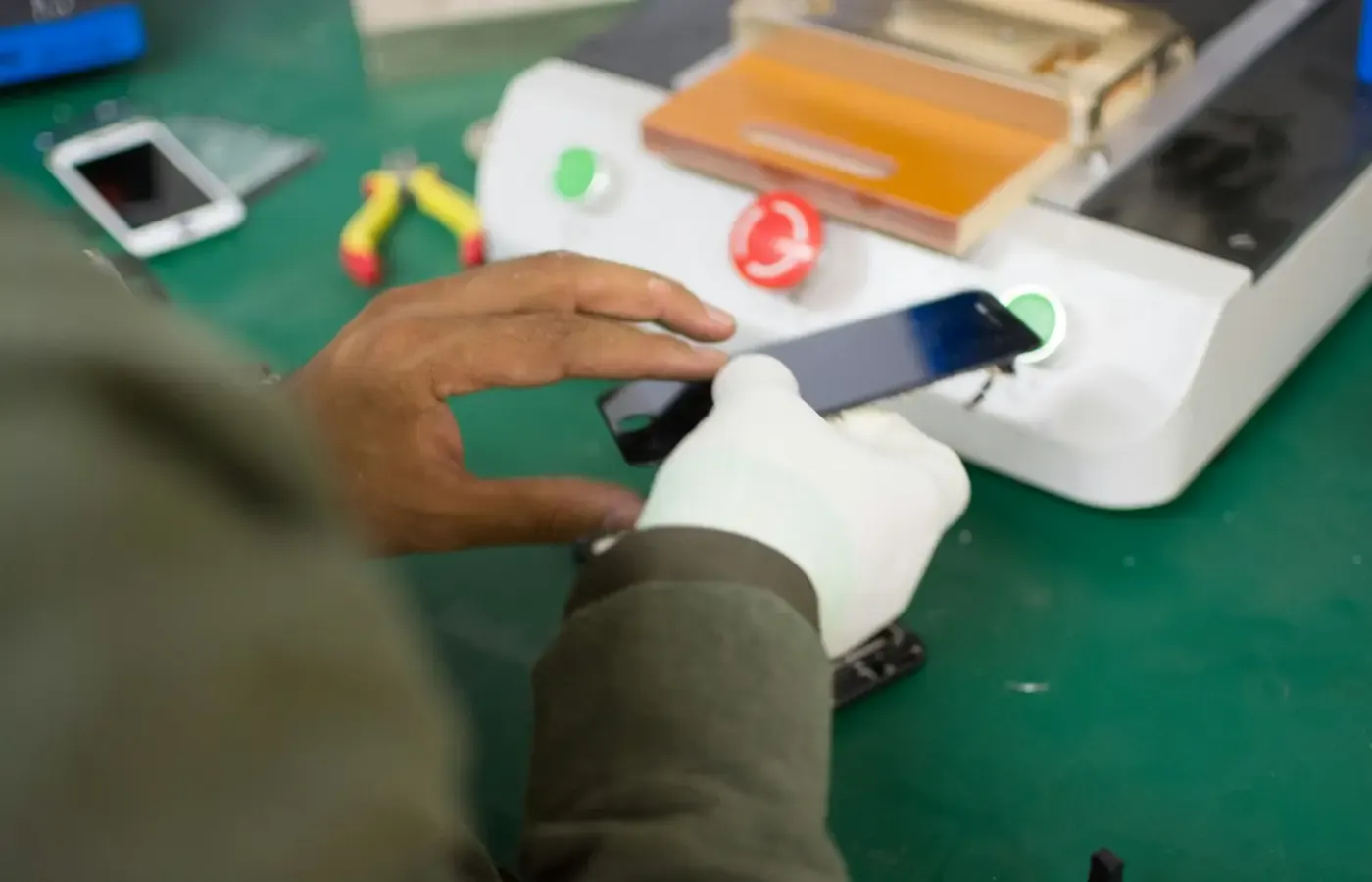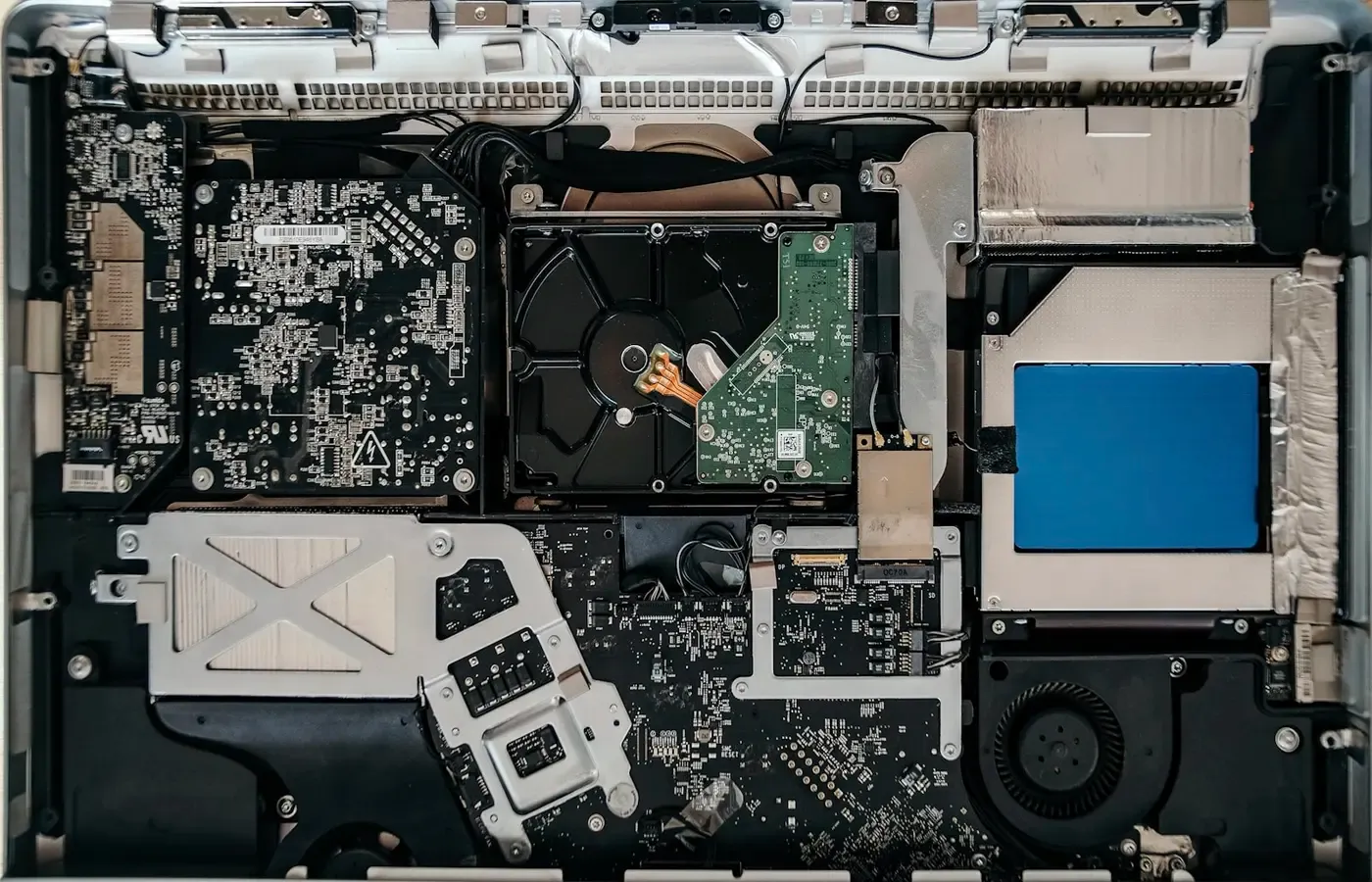
A cracked screen or failing battery presents itself as a repair problem. The more useful question is what the repair will buy.
A modest bill can be poor value if the phone is about to lose essential software support, has several other faults or cannot run the apps you rely on. A substantial repair can still be sensible when it restores a capable phone with years of useful service ahead. The headline price alone settles neither case.
The decision is therefore not simply repair versus replacement. Your options include living with cosmetic damage, repairing one component, buying a refurbished phone or moving to a new device. To compare them fairly, use the same ownership period and account for support, warranty, downtime and exit costs—not just the amount due today.
This guide is a decision framework rather than a recommendation for a particular model. Repair prices, service eligibility, parts availability and software commitments vary by phone, variant, market and date. They must be checked before acting.
Start with the fault, not the phone’s age
Age is a crude proxy for condition. A relatively recent phone may have extensive impact or liquid damage; an older one may need only a battery. Begin by defining the fault as narrowly as possible.
Before requesting a quote, record:
- the exact model, storage configuration and regional variant;
- the symptoms and when they began;
- any earlier repairs, drops or liquid exposure;
- battery-health information shown by the operating system, if available;
- whether the phone starts, charges, connects to a network and completes a backup;
- the status of any warranty, insurance or service plan;
- every other defect you already tolerate, including damaged cameras, buttons or ports.
A visible problem is not necessarily the only one. Intermittent charging, unexpected shutdowns or damage extending into the frame may require diagnosis before a meaningful comparison is possible. Ask whether inspection carries a fee, whether that fee is credited to the repair and whether the provider may revise the quote after opening the phone.
Do not fold a possible battery safety issue into an ordinary cost calculation. If the battery is swollen, unusually hot, punctured, smoking or emitting an unfamiliar odor, pause and obtain instructions for the exact model from its manufacturer or an appropriate public authority. Remote advice cannot establish the condition of a damaged battery.
Decide whether the problem needs fixing at all
A repair need not be automatic. A scratch, chipped back panel or cracked corner may be tolerable if it does not impede touch input, cameras, structural integrity or safe handling. A case or screen protector may make cosmetic damage easier to live with, although it does not reverse the damage.
Keeping the phone unchanged is a legitimate outcome when the defect is stable and acceptable to you. The relevant standard is not whether the phone looks new, but whether it still performs its job without creating an unresolved safety or reliability concern.
Calculate the complete repair bill
A quoted part price is not the cost of repair. Ask for a written estimate containing, where applicable:
- diagnosis and inspection;
- the replacement part and its stated type or condition;
- labor, calibration and testing;
- shipping, collection and tax;
- charges for data recovery or a temporary phone;
- any additional work already anticipated;
- the warranty on the part and completed repair;
- the procedure if the repair fails or another fault is discovered.
Also ask what happens if you decline the repair after inspection. Will the phone be returned reassembled? Is return shipping extra? Are you liable for an attempted repair that cannot be completed?
Authorized, independent and do-it-yourself repair are not interchangeable routes. Their prices, parts, tools, access to calibration procedures and warranty terms can differ by model. None is categorically best.
An authorized service route may offer model-specific procedures or clearer recourse, but that advantage has to be weighed against its actual price, turnaround and eligibility rules. An independent technician may provide a more economical or flexible option, but you still need written information about the part, warranty and any functions affected. A do-it-yourself repair makes sense only when the manual, tools, replacement part, skill requirement and cost of failure are acceptable to you.
Do not assume that a phone retains its original resistance to water or dust after being opened. Ask what seal is replaced, what testing is performed and what the provider actually warrants. Likewise, verify whether the replacement component requires software pairing or calibration and whether any warning, disabled feature or service message will remain.
Estimate the useful life the repair can buy
The value of a repair depends on the phone left behind. Inspect the rest of the device before spending heavily on one component.
Consider the condition of:
- the frame and rear housing;
- the battery, if it is not the part being replaced;
- charging and data ports;
- cameras, microphones and speakers;
- physical buttons and biometric sensors;
- wireless connections;
- storage capacity and available space;
- the display and touch layer, if repairing something else.
Then examine software support. For the exact model and regional variant, find the manufacturer’s current documentation and distinguish between operating-system upgrades and security updates. A broad brand promise is not enough if it does not clearly cover your device.
Support dates matter because a successful physical repair does not guarantee continued access to essential services. Check the current requirements of any banking, authentication, workplace, transport, medical or accessibility apps you cannot readily replace. Network compatibility also belongs in this review if your carrier or market is retiring a service on which the phone depends.
Parts and service availability deserve the same scrutiny. A phone may remain usable after official service ends, but future repair could become more difficult or uncertain. Ask whether the relevant parts are currently orderable and whether any service end date has been announced.
Treat the result as a scenario, not a promise. For example:
If this repair succeeds, current support continues as documented, and no second major component fails, I expect the phone to remain suitable for my needs for ___ months.
That blank is the central estimate. A cheap repair that plausibly buys six useful months and a dearer repair that plausibly buys three years cannot be judged by the same upfront ratio.
Compare every option over the same period
There is no defensible universal rule that a repair should cost less than a fixed percentage of a new phone. Such a rule ignores the life gained, the quality of the replacement and the reader’s actual needs.
Choose a realistic comparison horizon—perhaps the period for which you would otherwise expect to keep a replacement—and price four options:
| Option | Costs to include | Value or limitations to record |
|---|---|---|
| Keep as-is | Protective accessories, likely inconvenience | Whether the defect remains tolerable |
| Repair | Full quote, shipping, downtime, possible follow-up work | Expected added life, repair warranty, remaining support |
| Buy refurbished | Purchase price, delivery, accessories, migration | Condition grade, battery terms, warranty, returns, support |
| Buy new | Purchase price, finance cost, accessories, migration | Warranty, expected support and intended ownership period |
Subtract only credible value. A written trade-in offer is still conditional if inspection can change it. An online resale listing is an asking price, not evidence that a sale will complete at that amount. If you expect to sell the repaired phone later, use a conservative scenario rather than treating uncertain proceeds as cash in hand.
Financing can obscure the comparison. Record the total payable, not merely the monthly installment, and include any early settlement on the existing device. Replacement can also trigger less obvious expenditure: a different case, charging equipment, storage arrangement, insurance policy or service plan.
A simple cost-per-month calculation can clarify the trade-off:
Repair scenario:
(complete repair cost − conservative later resale value) ÷ expected additional months of use
Replacement scenario:
(complete replacement and migration cost − conservative later resale value) ÷ expected months of use
These are planning estimates, not predicted savings. Run a pessimistic case as well as your central one. What happens if the repaired phone lasts only half as long as hoped, or if the refurbished replacement needs attention after its warranty ends? The point is not mathematical precision. It is to expose which assumptions carry the decision.
Account for downtime, privacy and recourse
A phone is often an identity key, payment tool and route to work as much as a communications device. The inconvenience of repair can therefore be substantial even when the price is attractive.
Before handing it over, ask:
- How long is the quoted turnaround, and what could extend it?
- Is a temporary device available, and on what terms?
- Must the technician be able to unlock the phone?
- What is the provider’s written policy for data access, storage and loss?
- Will the phone be erased during service?
- Who has custody if it is shipped, delayed or lost?
- What testing follows the repair?
- Which functions must be restored or recalibrated afterward?
- How long does the repair warranty last, and what does it exclude?
- What remedy is offered if the same fault returns?
Make a current backup using the method documented for your phone, and verify that you can recover important accounts. Authentication apps, recovery codes, payment credentials and workplace access may require more preparation than photographs and contacts. Follow the manufacturer’s service instructions for account locks and device-tracking features rather than improvising.
The same preparation applies to trade-in, resale, donation or recycling. Confirm that the backup is usable before erasing the device, remove account associations as instructed and do not assume that deleting visible files is the complete handover process.
A decision card: repair, keep, refurbish or replace
Repair is the stronger case when
- diagnosis indicates an isolated fault;
- the complete quote is written and reasonably firm;
- the provider identifies the part, testing and warranty;
- software support and essential apps remain adequate for your intended period;
- the rest of the phone is in suitable condition;
- the repair buys useful life at an acceptable cost and inconvenience;
- you have a workable backup and recovery plan.
Keep the phone unchanged when
- the defect is cosmetic or genuinely tolerable;
- normal use is not materially impaired;
- spending now would buy little practical improvement;
- you are waiting for clearer diagnosis, support information or replacement pricing.
Keeping it is not the same as neglecting a developing safety or reliability problem. If the condition changes, reassess it.
Consider refurbished when
- the repair is expensive relative to the supported life it is likely to buy;
- the current phone has several unrelated faults;
- a suitable refurbished model offers a meaningful support advantage;
- its condition, battery terms, return period and warranty are stated clearly;
- you can inspect or return it without disproportionate cost.
Compare like with like. Storage, network variant, condition grade and warranty can matter more than a familiar model name.
Replace with new when
- safe continued use is in doubt and cannot be resolved economically;
- parts or competent service are unavailable;
- several costly faults are stacking up;
- loss of essential software or network support is imminent for your needs;
- a repair would leave a phone that is still inadequate;
- a longer warranty or support horizon justifies the additional total cost.
New is not automatically the durable option, just as repair is not automatically the frugal one. The relevant comparison is the complete cost for the useful, supported service you expect to receive.
Pause and verify when
- the fault has not been diagnosed;
- the quote omits likely charges;
- support language does not clearly identify your model;
- the provider will not explain the part or repair warranty;
- important features may be lost after repair;
- your data cannot yet be backed up or accounts recovered.
Uncertainty is itself a cost. When the missing fact could reverse the decision, obtaining it is more useful than forcing an immediate choice.
The worksheet to complete before spending
Write down these figures and conditions on one page:
- exact phone model and market variant;
- fault and wider condition;
- complete repair total;
- repair warranty and expected downtime;
- realistic additional life after repair;
- operating-system and security-support status;
- essential app and network requirements;
- comparable refurbished total and warranty;
- comparable new-phone total and warranty;
- accessories, migration, finance and service-plan costs;
- conservative trade-in or resale value;
- preferred ownership period;
- pessimistic outcome for each option.
The decision is bounded, not universal: repair when a clear intervention restores a phone that remains fit and supported; keep it when the damage is tolerable; use refurbished as the middle path when repair buys too little life; replace when safety, stacked faults or lost support make further investment difficult to justify.