This article is not ready for responsible publication. The supplied Research Package contains no sources or URLs, while the requested guidance depends on current, provider-specific documentation. A generic transfer checklist cannot establish how a particular authenticator, credential manager, carrier, bank, messaging service, or managed workplace account behaves.
Why a universal procedure would be unsafe
Authenticator backup and transfer behavior can differ by app and version. Passkeys may be held by a platform credential manager, password manager, hardware security key, employer-managed system, or another provider. eSIM migration depends on the carrier, country, plan, device pair, and account status. Banking, messaging, government-identity, and workplace services also impose their own device-registration and recovery procedures.
Those differences matter because copying ordinary phone data is not evidence that every form of account access has moved. Photos, contacts, and visible app icons may appear on a new phone even when a separate activation, import, synchronization, or identity-verification step remains incomplete. The old phone may also continue to hold the only working instance of a credential or the only currently approved route for completing recovery.
Without exact official documentation, a procedural article could wrongly imply that a normal phone restore includes authenticator credentials, that passkeys will cross credential ecosystems, or that an eSIM can always move directly between devices. It could also incorrectly treat installing an app as equivalent to registering the new device with the service behind that app. Any of those errors could lock a reader out of essential accounts or interrupt mobile service.
The decision gate that can be stated safely
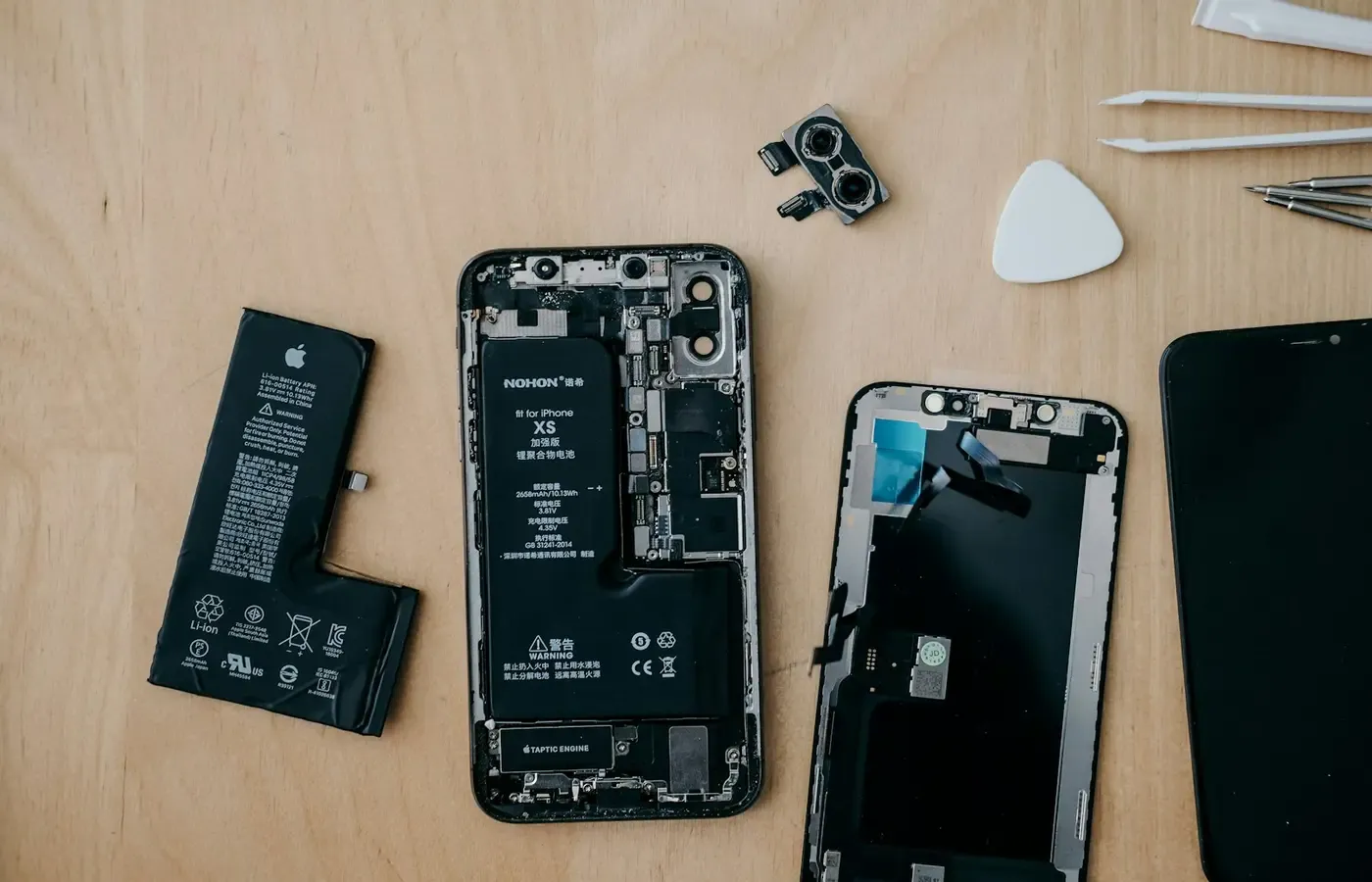
The central precaution remains: do not erase, reset, sell, trade in, or surrender the old phone merely because photos and apps appear on the new one.
That statement is precautionary editorial advice, not a claim that every reader must retain an old phone for a fixed period. Any recommended waiting period would need support from the relevant provider terms, trade-in deadline, workplace policy, or documented security delay. The article should not invent a universal number of hours or days.
A publishable version should define readiness through verified outcomes rather than the appearance of a completed device restore. It should separately address authentication credentials, mobile service, recovery methods, sensitive applications, device management, and erasure. However, the exact tests and steps for each area must come from the providers in scope.
Evidence required for authenticator guidance
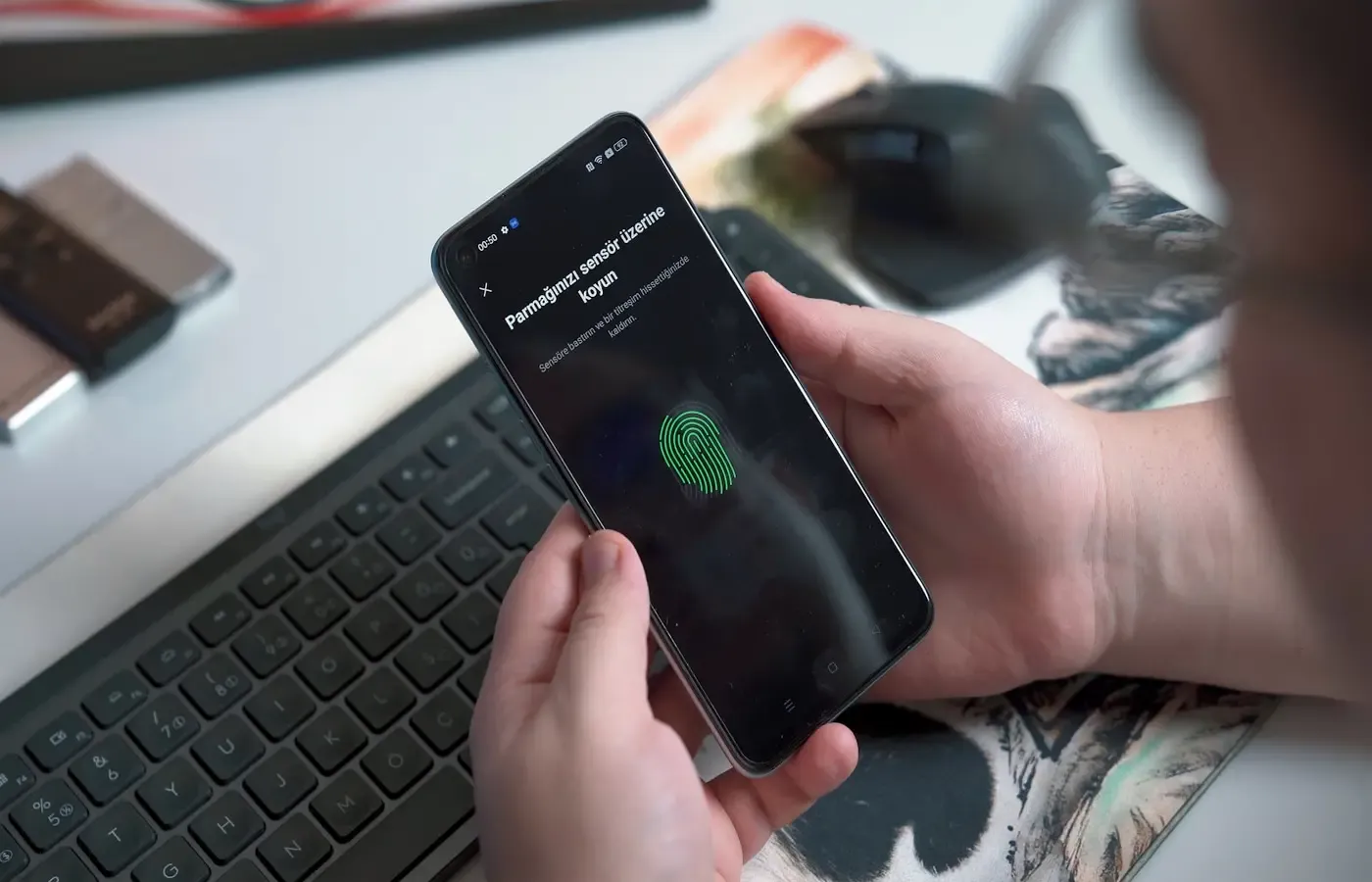
For every authenticator app named, the Research Package should provide current official instructions covering backup, synchronization, export, import, transfer, and recovery. The evidence should identify the supported app and operating-system versions and explain any prerequisites documented by the provider.
The article must not assume that all visible one-time-code entries are backed up, that synchronization is enabled, or that an export includes every account. It also must not advise readers to delete the old installation until the provider’s documented migration process has been completed and the new setup has been verified in an appropriate way.
If a service requires account-specific re-enrollment rather than an app-level transfer, that distinction must be documented. The article should also avoid presenting recovery codes as interchangeable with authenticator data unless the relevant service says how those codes are used.
Evidence required for passkeys and recovery
Passkey guidance requires documentation from the credential provider and the account or service being accessed. The article should establish where the passkey is stored, whether the destination device uses the same supported credential system, and what provider-approved alternatives exist if the passkey is unavailable.
Official guidance is also needed for recovery codes, trusted devices, recovery contacts, hardware security keys, account-recovery procedures, and any applicable security delays. The presence of one recovery method should not be treated as proof that another method has transferred successfully.
Where an employer manages the phone, account, application, or credential, workplace instructions may supersede consumer migration steps. A responsible article must identify that boundary rather than guessing how managed access can be moved or removed.
Evidence required for eSIM and mobile service
eSIM instructions must be matched to the carrier, country, plan type, account status, source phone, and destination phone. The Research Package should establish whether the supported process is a direct transfer, carrier activation, reissue, QR-code workflow, application-based setup, or another documented method.
The article must not promise that an eSIM profile can always be copied with the rest of the phone. It should also avoid claiming that erasing the old device will have a particular effect on service unless official documentation for the exact scenario supports that statement.
Sensitive apps need their own documentation
Banking, payment, messaging, government, identity, and workplace apps may apply separate device-registration or recovery rules. Reinstalling one of these apps does not, by itself, demonstrate that access has been restored. Any example involving such a service needs first-party documentation for enrollment, transfer, approval, deregistration, and recovery where applicable.
The same standard applies to instructions about removing the old phone from an account. Deregistration should not be recommended before the destination device and recovery path have been validated under the provider’s documented process.
Erasure, trade-in, and disposal requirements
Before the article tells readers to reset an old phone, it needs current platform documentation for account sign-out, activation-lock handling, secure erasure, and removal from any relevant device-management arrangement. Device ownership also matters: a personal phone, employer-managed phone, leased device, and carrier-financed device may be subject to different obligations.
Trade-in or resale terms are required if the article recommends a deadline for keeping or returning the old phone. Secure-erasure and disposal guidance must be appropriate to the device and ownership context rather than presented as a single universal procedure.
Publication requirements
Before drafting the final how-to, the Research Package should include:
- Current Apple and Google migration, backup, account-recovery, passkey, device-erasure, and activation-lock documentation for the operating-system versions in scope.
- Official backup, synchronization, export, import, transfer, and recovery instructions for every authenticator app and password manager named.
- Official carrier instructions matched to country, plan type, devices, and eSIM transfer or reactivation method.
- Provider documentation for every banking, payment, messaging, government, identity, or workplace service used as an example.
- Official guidance covering recovery codes, trusted devices, recovery contacts, hardware security keys, and applicable security delays.
- Trade-in, lease, resale, or return terms if the article recommends any deadline for retaining the old phone.
- Secure-erasure and disposal guidance appropriate to the device, operating-system version, and ownership context.
The eventual article should distinguish verified provider behavior from precautionary editorial advice. Each operational step—including transferring authenticators, activating an eSIM, confirming passkeys, validating recovery options, deregistering the old device, and resetting it—must be supported for the exact service, market, device, and version discussed.
No external sources were available to cite, and no first-party test record was supplied. Drafting a universal transfer recipe under those conditions would fall below E/CONSUMER’s publication standard.