
Staying home does not have to mean spending the day scrolling, shopping, or forcing yourself through a grand improvement project. Sometimes you need shelter from bad weather, entertainment for children, a gentler weekend, or simply something more satisfying than choosing another thing to watch.
The most useful activities fit the energy, time, and materials you already have. A ten-minute drawer reset is better than an abandoned room makeover. A blanket fort can be more memorable than a newly purchased toy. Rest also counts; boredom does not create an obligation to optimize every spare hour.
This collection is therefore arranged by desired outcome rather than ambition. Most ideas are screen-free, although a few use a video, app, digital photo library, or streaming service as a tool. Many cost nothing if you work with what is already at home. Others require ingredients or craft supplies, so check cupboards and unfinished kits before buying anything new.
A simple way to choose:
- Low energy: read, soak your feet, request library books, or sort photographs.
- Restless energy: clean one neglected area, move furniture, or build an obstacle course.
- Creative energy: draw, bake, crochet, write, or make something from paper.
- Social energy: play a game, share a picnic, read aloud, or plan a scavenger hunt.
- Practical energy: review the budget, prepare meals, gather returns, or schedule appointments.
Keep the finish line small, especially if the activity creates cleanup. And when paint, cleaners, heat, tools, fire, or small craft materials are involved, follow product directions and choose tasks appropriate to the people taking part.
When you want deliberate rest
Relaxation need not involve buying a spa kit or signing up for another service. Start with the version that uses what you have.
- Read a book. Choose something inviting rather than something you feel obliged to finish.
- Browse your magazine pile, then recycle or pass along the issues you no longer want.
- Revisit an old television series or begin a movie marathon. This is screen time, but at least it is chosen rather than automatic.
- Watch a documentary about a subject you have been meaning to understand.
- Sit outside and listen. Leave the phone indoors if you can.
- Have a picnic in your garden, yard, balcony, or other outdoor space.
- Move the picnic to the living-room floor if the weather does not cooperate.
- Take a bubble bath.
- Talk with someone over a drink without turning the conversation into a household meeting.
- Take a nap.
- Swap foot rubs or back massages with someone at home.
- Give yourself a manicure.
- Give yourself a pedicure.
- Soak your feet without making the rest of the evening productive.
- Use an at-home face mask already waiting in the bathroom cupboard.
- Place a grocery order if doing so genuinely removes pressure from the week. Treat free trials cautiously if continued use requires a subscription.
- Prepare part of the coming week’s food. Chopping, portioning, or making one staple may be enough.
- Request books from the library. A hold placed today is entertainment arranged for your future self.
- Review repeat household deliveries. Set one up only if the quantity and schedule fit actual use; convenience can otherwise become clutter and recurring expense.
- Follow a yoga video. This is another case where a screen can support an otherwise physical activity.
- Do a gua sha routine using the tool and instructions you already have.
When several people need entertaining
Shared activities work best when the setup is quick enough that nobody loses interest before the fun begins. With children, keep materials, food, water, small pieces, and outdoor activities suitable for their ages and supervision needs.
- Make homemade bath bombs.
- Pop movie-theater-style butter popcorn.
- Hold a movie night with blankets, dimmed lights, and a definite starting time.
- Build a fort from cushions, sheets, chairs, and flashlights.
- Assemble ice cream sundaes.
- Make hot chocolate from a pantry packet or from scratch.
- Bake cookies, making enough to freeze some dough or finished cookies for later.
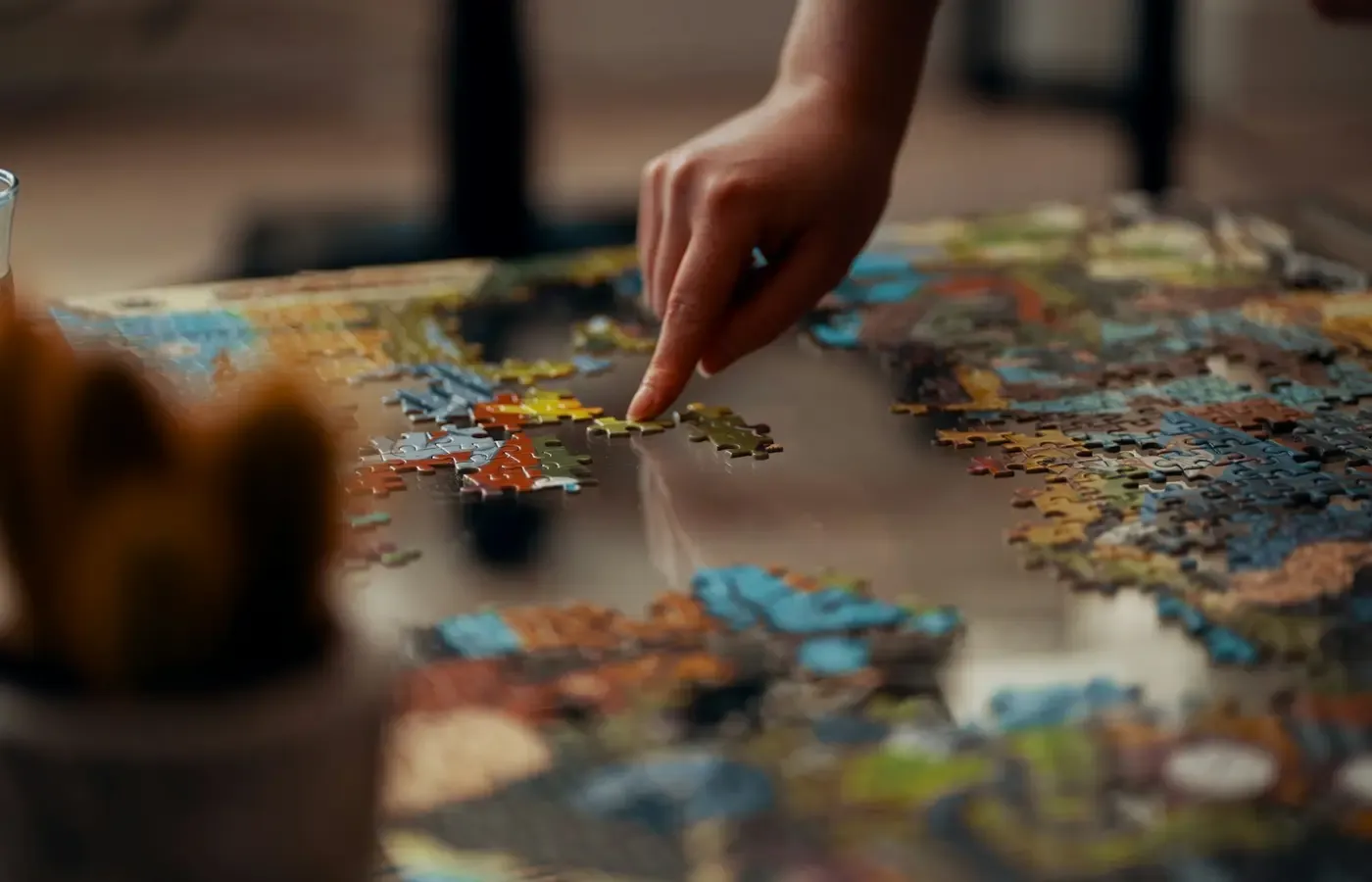
- Complete a jigsaw puzzle.
- Play a board or card game already in the cupboard.
- Play hide-and-seek or sardines.
- Design a scavenger hunt with clues hidden around the home.
- Read aloud, whether it is a picture book, a chapter book, or an old family favorite.
- Hold a coloring contest in which adults participate too.
- Try finger knitting.
- Use cut vegetables as printing stamps with suitable paint.
- Turn bath time into washable finger painting with shaving cream on an appropriate surface.
- Run through a sprinkler when weather, water use, and outdoor space allow.
- Play duck-duck-goose.
- Camp in the backyard.
- Make s’mores using a safe, appropriate heat source and close supervision.
- Look through family photo albums or display digital photographs together.
- Make a shared bucket list of places to go, foods to try, and things to learn.
- Build a LEGO city from existing sets, with or without the original instructions.
- Create an obstacle course indoors or outside using furniture, painter’s tape, or streamers.
- Make lemonade.
- Blow bubbles.
- Draw a hopscotch course.
- Play four corners.
- Make homemade modeling dough.
- Assemble a sensory bin with age-appropriate filler and toys.
- Build a track and race toy cars.
- Play draw-a-monster, taking turns adding unexpected features.
When you want to make something
A hobby does not need to become a side business, a permanent identity, or an excuse to acquire specialist equipment. Reopen an unfinished project, improvise with ordinary materials, or borrow what you need before buying a complete new system.
- Learn a few words in another language with a language-learning app.
- Try a different form of journaling, such as a contribution journal or junk journal.
- Teach yourself a one-player card game.
- Learn the basics of amigurumi.
- Follow a watercolor tutorial using paints you already own.
- Make blind contour drawings without watching the pencil move across the page.
- Rescue an unfinished crochet project from the cupboard.
- Follow a drawing lesson and practice one technique rather than aiming for a finished masterpiece.
- Practice hand-lettering.
- Shape small bowls from air-dry clay.
- Refresh plant pots with suitable spray paint.
- Repaint old frames.
- Make a decorative garland or banner from paper, fabric scraps, or other spare materials.
- Cut paper snowflakes.
- Draw with permanent markers on aluminum foil.
- Press leaves or flowers.
- Print favorite family photographs and choose a place to display them.
- Bake something technically challenging, such as a layered cake or macarons.
- Decorate cupcakes.
- Cook a recipe you have not tried before.
- Propagate a suitable houseplant.
- Try needle felting.
- Make friendship bracelets.
- Create jewelry from a kit or supplies already on hand.
- Put together a photo book.
- Complete a paint-by-numbers project.
- Fold origami flowers.
- Write a poem and send it to a friend.
When the room needs change, not more stuff
A home can feel different without a shopping trip. Cleaning, subtraction, movement, and rediscovery often produce a clearer result than adding another decorative object. For painted, papered, or refinished surfaces, check compatibility first and favor reversible changes when you are uncertain.
- Create a gallery wall or smaller picture cluster using art and frames you already have.
- Apply removable wallpaper to a suitable small area rather than committing immediately to a whole room.
- Empty and edit one room. Return objects gradually until the space feels sufficient.
- Rearrange the furniture.
- Repurpose an overlooked household object.
- Try spare baskets in the pantry before purchasing purpose-built storage.
- Swap curtains between rooms.
- Clear every decorative object from one counter or shelf, then return only what you miss.
- Clean visible surfaces and reassess the room before changing its decor.
- Bring in cut flowers or greenery.
- Declutter one small, clearly bounded space.
- Rearrange your books and set aside unwanted copies for donation or a Little Free Library.
- Give a suitable piece of furniture a distressed finish with chalk paint.
- Print photographs you have been intending to display.
- Choose artwork to show on a television when it is otherwise idle, using existing images or a carefully considered digital purchase.
- Color-drench a room only if you are ready for a larger painting project.
- Clear magnets, menus, and old notices from the refrigerator door.
When useful work would feel satisfying
Cleaning can be an activity rather than punishment if the target is specific and the stopping point is clear. Do not mix cleaning products, and follow the care instructions for appliances, stone, fabrics, paint, and other surfaces.
- Clean beneath the bed.
- Clean the dryer vent according to the appliance’s instructions.
- Remove debris from vehicle crevices with cleaning putty intended for that use.
- Wash the sheets and look forward to the result that evening.
- Freshen bedding with linen spray you already own or make appropriately.
- Refill the homemade cleaners you routinely use.
- Clean the windows.
- Scrub the grout.
- Dust the baseboards with a microfiber cloth, mitt, or suitable duster.
- Vacuum carpets, blinds, and fans where your vacuum and attachments are suitable.
- Wash the bath mats according to their labels.
- Clean one sink thoroughly, using a product compatible with its material.
- Fluff bed pillows and sofa cushions.
- Clean marks from doors and door jambs with a surface-safe product.
- Sweep the entryway.
- Maintain granite counters with a product and method appropriate to the stone.
- Empty and clean out your bag or purse.
- Wash the car.
- Clean stainless-steel appliances without assuming every abrasive or polish is suitable.
- Deep-clean the oven according to its manual and current condition.
- Vacuum inside kitchen drawers.
- Give suitable houseplants a shower to remove dust and water them.
- Wash trash cans and recycling bins.
- Scrub the kitchen sink.
When you want next week to be easier
Administrative tasks are not exactly entertainment, but a quiet afternoon at home can remove future friction. Pick one area rather than converting a free day into an audit of your entire life.
- Write a list of life goals.
- Draft a family or household statement of purpose. Keep it practical enough to guide real decisions.
- Set up a new budget.
- Review the budget you already have.
- Read about a relevant money topic, such as debt repayment, saving, or investing, while treating general material as education rather than personal financial advice.
- Catch up on bills.
- Process the pile of mail.
- Gather purchases that need to be returned or exchanged and check the applicable conditions.
- List next week’s errands in an order that reduces unnecessary trips.
- Make a meal plan based first on food already in the home.
- Write down the tasks occupying mental space.
- Take an online lesson through a course platform you already use.
- Prepare freezer meals.
- Schedule necessary medical, dental, or eye appointments.
- Organize the email inbox without treating inbox zero as a moral achievement.
- Delete and sort photographs on your phone.
- Remove unused clothes from the wardrobe and place suitable donations where you will remember to take them out.
- Do an at-home workout.
A better choice than buying your way out of boredom
Before ordering supplies, choose one activity that passes four tests:
- You can begin within 15 minutes.
- Most of what it requires is already at home.
- The cleanup is proportionate to the enjoyment.
- You would still want to do it if nobody saw the result.
If nothing on the list appeals, doing nothing is also legitimate. A quiet day at home does not need to produce a cleaner room, a new skill, or photographic evidence. The useful distinction is not between productive and unproductive time, but between time chosen deliberately and time lost by default.