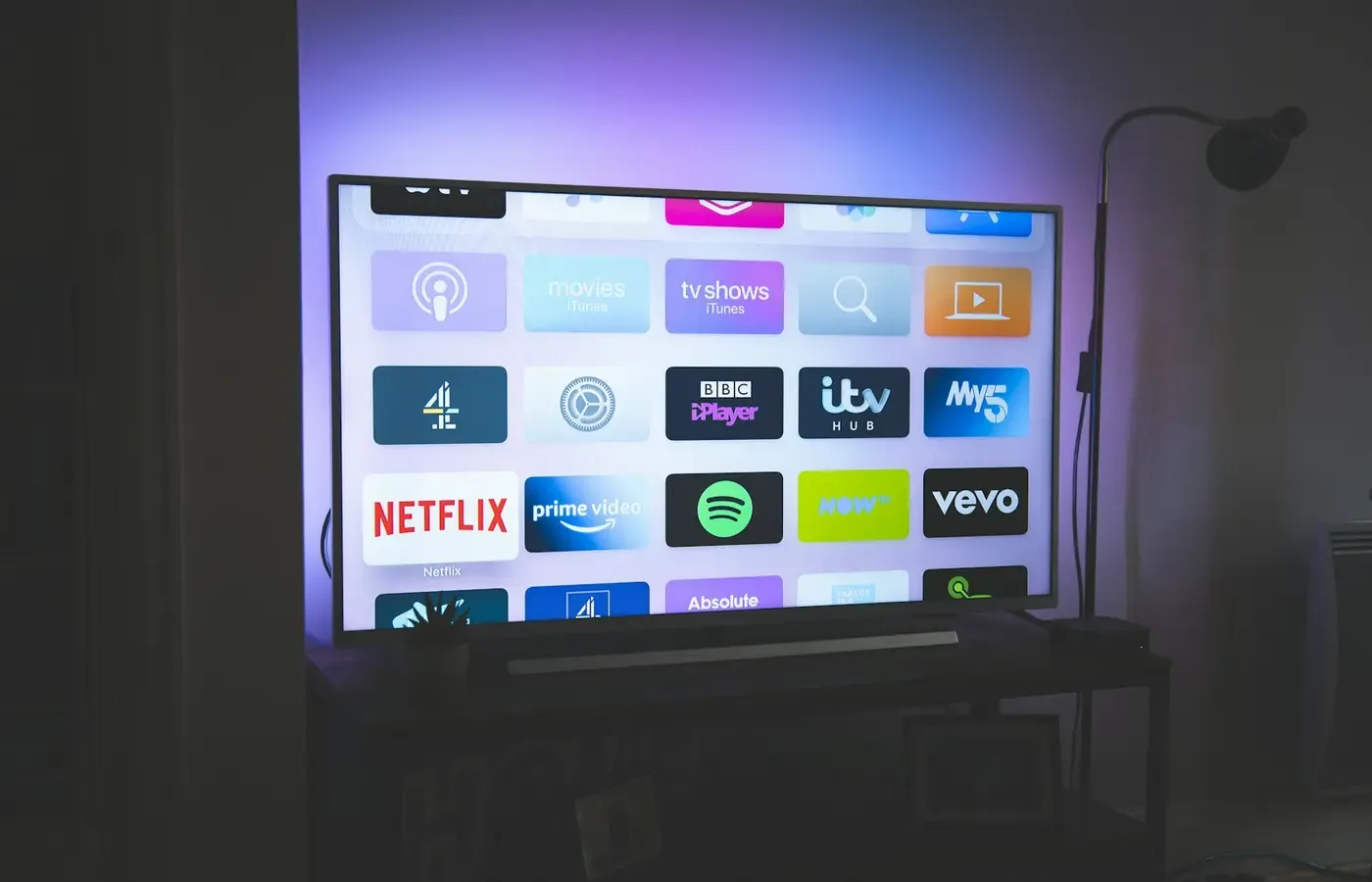

Streaming solved a problem music fans once considered impossible: nearly any recording, available immediately, on almost any device. It also created a new consumer problem. When tens of millions of tracks feel weightless and interchangeable, what exactly are we paying for?
The industry is no longer small. IFPI reported global recorded-music revenue of $31.7 billion in 2025, with paid subscription streaming accounting for more than half of total revenue and 837 million users holding paid subscription accounts. Streaming is the center of the recorded-music business.
That makes choosing a service a meaningful recurring purchase, not a default utility.
Annualize the price
Monthly prices are psychologically small. Annual prices are honest.
If a service costs roughly the price of a lunch each month, multiply by 12. Then add any family, audiobook, cloud-storage or device subscriptions that exist mainly because of that ecosystem.
Reuters reported another U.S. Spotify Premium price increase in early 2026. Other services have also adjusted pricing over time. The specific winner can change, so do not build a permanent opinion around a promotional rate.
Instead, perform a subscription audit once a year:
- What did I actually use?
- Which exclusive feature mattered?
- Could my household use a family plan legitimately?
- Am I paying for overlapping music access through another bundle?
- What would I lose if I switched?
A price increase is not automatically unreasonable. It is a prompt to re-evaluate value.
Catalog size is mostly a solved problem—until it isn’t
Mainstream services carry enormous overlapping catalogs. A “100 million tracks” claim is not a useful differentiator if the music you love is present everywhere.
Check edge cases:
- specific regional catalogs;
- classical metadata;
- DJ mixes;
- independent releases;
- live recordings;
- remasters and alternate editions;
- music videos;
- podcasts or audiobooks you genuinely want;
- local-file integration.
Before switching, search for 20 difficult-to-find titles from your own library. Your personal catalog test is more useful than the biggest marketing number.
Discovery is the product
When access becomes abundant, curation becomes scarce.
Services differ in how they mix familiar music with novelty. Some emphasize algorithmic playlists, some editorial programming, some social listening or radio-like experiences.
Judge discovery by outcomes, not by how sophisticated it feels.
For one month, save every new artist you genuinely want to hear again. Count them. If a recommendation engine constantly produces agreeable background music but almost no lasting discoveries, it may be optimizing session length rather than your musical life.
Actively follow labels, producers, writers, DJs and artists. Recommendation systems are useful servants and poor cultural monopolies.
Lossless audio: buy it for the system you own
Lossless streaming has expanded, including Spotify’s rollout to Premium users in many markets. That reduces the need to choose a service solely on whether it offers lossless files.
But lossless does not guarantee an audible improvement in every setup.
Bluetooth codecs, headphones, speakers, room noise, hearing and mastering quality all affect what reaches you. A great master at a normal bitrate can sound better than a poor master in a high-resolution container.
Before paying extra for an audio tier, run a blind comparison on the equipment you actually use. If you cannot reliably tell the difference, spend the money on better headphones, speakers, room placement—or music itself.
Metadata is a consumer feature
Music is not just audio data. Credits tell you who wrote, performed, produced, engineered and mastered a recording.
Classical listeners need composer, work, movement, conductor, ensemble and soloist metadata that general pop-oriented interfaces may handle awkwardly. Jazz listeners may want personnel. Electronic-music fans may follow remixers and labels.
If you routinely use credits to discover music, test how deep and searchable the service’s metadata is.
Poor metadata makes an enormous catalog feel smaller.
Offline listening is where subscriptions meet real life
Check the rules before a flight.
How many devices can hold offline music? How often must the app reconnect? Does downloaded music disappear if the subscription lapses? Can a watch or car download independently? How much storage does a high-quality download consume?
“Available everywhere” often means “available while your account is authenticated and the service remains licensed to provide it.”
For favorite recordings you want permanently, ownership still has a role.
The creator-economics question is more complicated than “pays per stream”
Consumers understandably want to know which service supports artists best. Simple per-stream charts can be misleading because royalty flows depend on subscription revenue, territory, rights ownership, label and publisher contracts, listening share and other terms.
The UK Competition and Markets Authority studied this market and found that streaming had changed how revenue is distributed across the music sector, while creator remuneration remained a central concern. The UK has since pursued transparency measures intended to help creators understand streaming data and payments.
For listeners, the honest conclusion is that no single subscription choice solves artist economics.
You can supplement streaming with actions that have a more direct relationship to artists you value:
- buy music directly when available;
- buy merchandise you actually want;
- attend shows;
- support memberships or crowdfunding;
- follow independent labels;
- buy physical editions where the economics and object matter to you.
Do not buy guilt. Spend intentionally.
Playlists can become a form of lock-in
A decade of playlists is data.
Before choosing a service, check export tools and whether liked songs, albums and playlists can be transferred through reputable third-party services. Transfers are imperfect—versions and regional availability can mismatch—but a music library should not feel like a hostage.
Keep a plain-text or spreadsheet list of truly important albums if your collection is extensive. It sounds primitive until an account is lost or a licensing change removes a release.
Family plans require policy reading
Family plans can be excellent value, but eligibility rules differ. Some require household members at the same address. Student plans require verification. Duo-style plans may have their own conditions.
Read the terms rather than assuming a plan is simply a pool of cheap accounts.
Also check parental controls, explicit-content settings and whether children’s listening contaminates the recommendation profile used by adults.
A cheap plan that destroys everyone’s discovery feed has a hidden cost.
The attention problem
Streaming’s most underpriced cost is not money. It is the ease with which listening becomes passive.
Autoplay can fill every silence. Algorithmic mixes remove the friction of deciding what comes next. That is useful for exercise, work and social settings. It can also erase albums, liner notes, sequencing and deliberate discovery.
Try two modes:
Utility listening: let the service choose. Use it when music supports another task.
Attention listening: pick an album, turn off autoplay, read credits, and stay with the sequence.
A good service should support both.
A practical comparison scorecard
Rate each service from 1 to 5 on:
- annual price;
- household-plan fit;
- catalog match;
- discovery quality;
- audio quality on your equipment;
- offline behavior;
- device support;
- car and speaker integration;
- credits and metadata;
- library organization;
- playlist portability;
- privacy and advertising experience.
Weight the top three features you personally use twice.
There is no universal best service because the weighting is the product.
When to own music again
Ownership makes sense when access risk bothers you, when a master or edition matters, when you collect physical objects, or when you want to support an artist through a direct transaction.
Vinyl’s continuing growth is evidence that convenience did not eliminate the desire for tangible music. Physical media and files do not have to replace streaming. They can serve a different layer of the relationship.
Stream broadly. Own selectively.
The bottom line
The mature way to buy streaming is to stop treating it as an invisible monthly tax.
Choose the service that best converts abundance into the kind of listening you value. Recheck the price annually. Test lossless rather than assuming it matters. Protect the library data that would make switching painful. And when an artist becomes more than background, consider spending beyond the stream.
Convenience and commitment are not opposites. The best digital music setup gives you both.
Sources & methodology
Reporting and fact-checking for this rewrite were updated in August 2026. The original publication date is retained in frontmatter to preserve the site’s existing editorial chronology.
- Global Music Report 2026: Recorded music revenues grow 6.4% — IFPI.
- Streaming boosts global music revenues once again in 2025 — Reuters.
- Music and streaming market study — UK Competition and Markets Authority.
- UK voluntary code of good practice on transparency in music streaming — UK Government.
- Spotify to raise monthly subscription price to $12.99 in U.S. and other markets — Reuters.
- Spotify rolls out lossless streaming — The Verge.