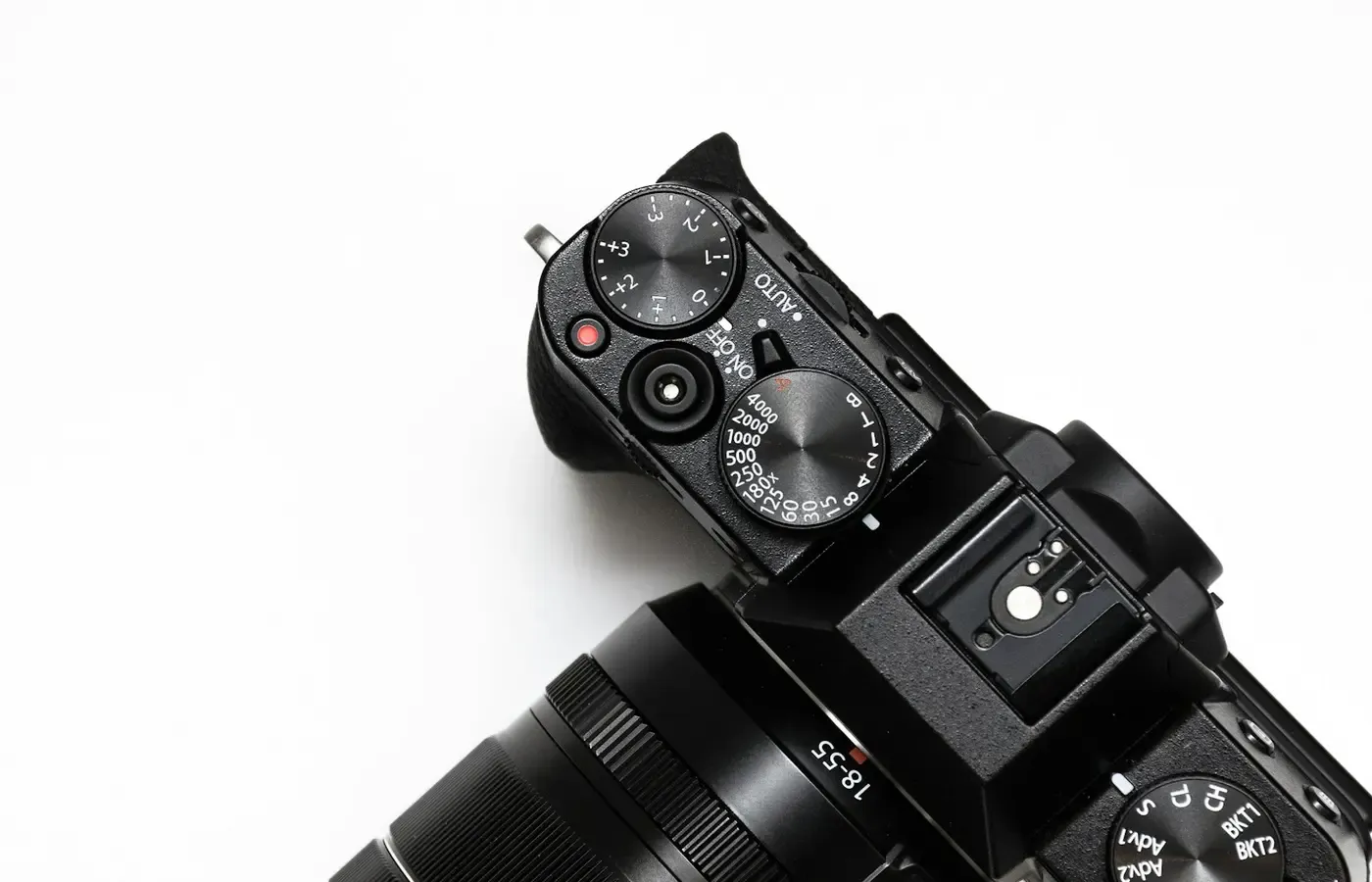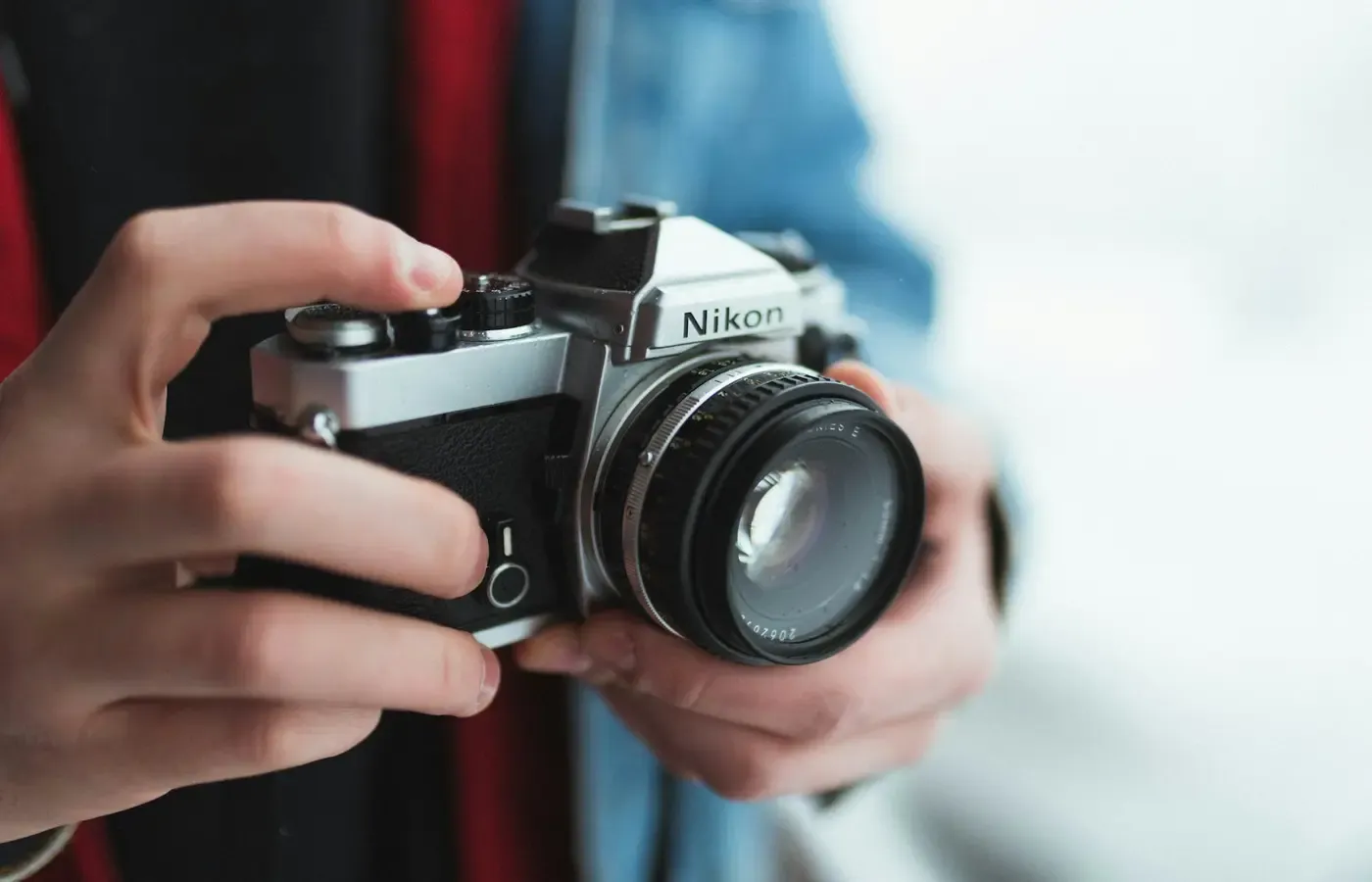
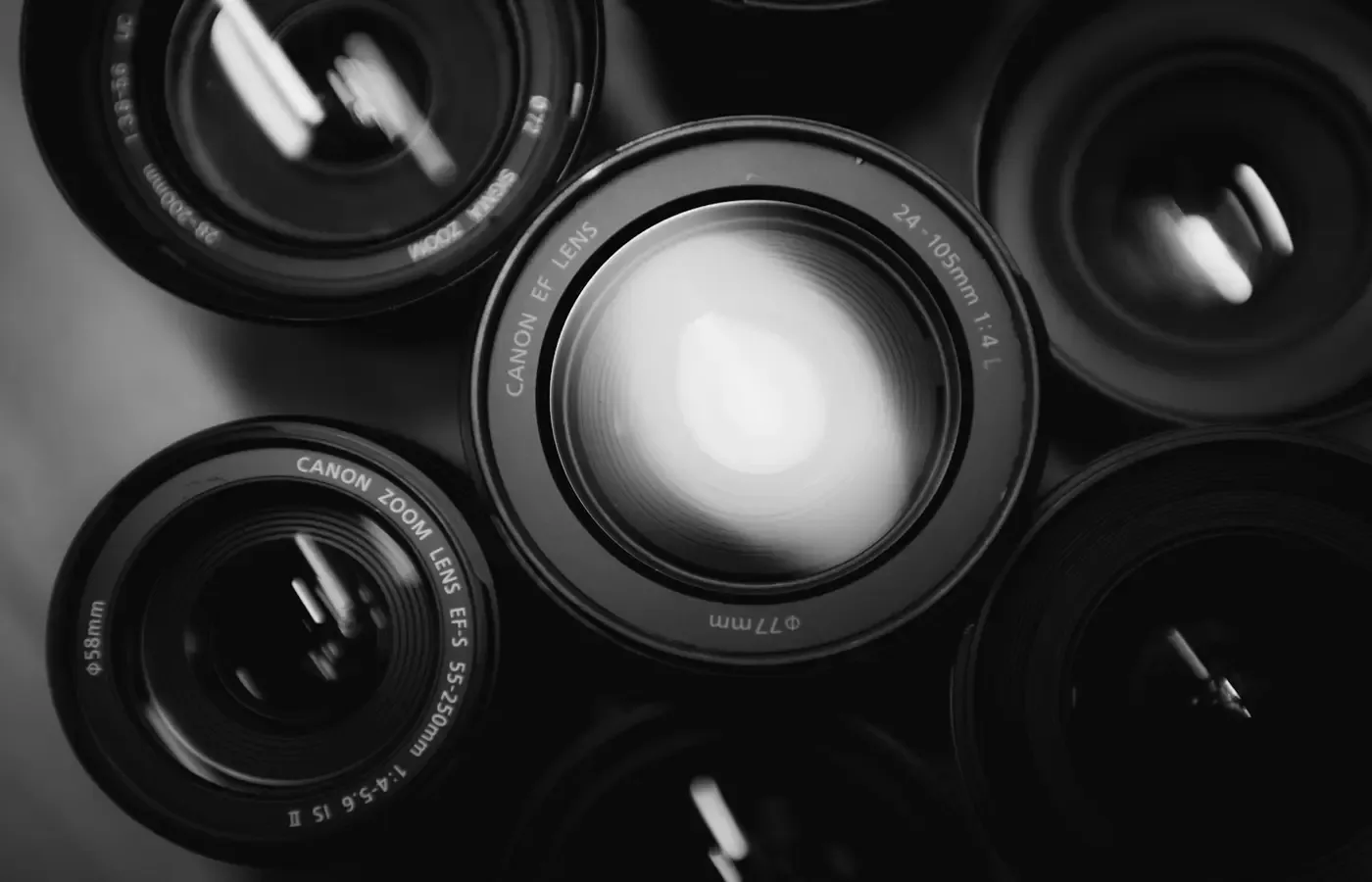
A camera body is often the visible purchase: the new sensor, autofocus system, viewfinder or video mode. But for anyone buying more than a kit lens, the mount behind that body may matter longer.
A mount is the mechanical and electronic connection between camera and lens. It determines what fits directly, what might work through an adapter, which functions can communicate between lens and body, and how expensive it may be to change direction later. A photographer can replace a body after a few years while keeping a useful set of lenses for far longer—or discover that the lenses are the part that makes changing systems awkward.
That does not mean every buyer needs to make a lifetime declaration to one brand. It means treating a camera purchase as two decisions: whether the body suits today’s work, and whether the mount gives you a practical route to the lenses you may need next.
The details are time-sensitive. Lens catalogues, adapter firmware and compatibility lists change; so do used-market prices. This guide therefore avoids declaring any current mount universally safest, most open or best for resale. The useful question is narrower: can this system serve your likely work, and can you leave it without turning a camera upgrade into a wholesale replacement?
The mount is the purchase that can outlast the camera
Interchangeable-lens cameras are not merely cameras with removable glass. They are systems in which the body, lens, adapter and sometimes software form a working chain.
At the simplest level, a lens with one mount generally cannot attach directly to a body with another. An adapter supplies the physical connection between the two. As JAPB’s explanation of lens adaptation notes, the basic job of an adapter is to mount one lens interface to another camera interface. That apparently simple task can involve far more than holding the lens in place.
A lens-body combination has several separate questions:
- Does it mount physically?
- Does the lens cover the sensor?
- Can the body control the aperture?
- Will autofocus work, and in which modes?
- Will image stabilisation, focal-length data and metadata communicate?
- Are there limitations for video, burst shooting or particular body modes?
- Is the combination documented by the manufacturer, rather than merely reported to work?
These questions are easy to collapse into “compatible” or “not compatible.” That shorthand is rarely enough for a purchase that may shape several years of spending.
ShutterLens’ compatibility methodology usefully separates native fit, a fit that forces a crop, a documented adapter requirement, and a fit with important limitations. Its key caution is worth retaining: a lens mounting directly says little by itself about autofocus, stabilisation, video operation or high-speed shooting.
For a buyer, this changes the order of research. Do not begin with a body’s headline specifications and assume the lens question will resolve itself. Begin with the lenses your photography requires. Then establish whether the body is a good platform for them.
Start with the pictures you need to make
A system can have a large catalogue and still be a poor fit for your work. The relevant question is not how many lenses exist in the abstract, but whether the mount offers credible options at the points where your needs are specific.
Make a short lens plan for the next few years. It should be based on tasks, not on the urge to own a complete set.
Build a practical lens brief
For each type of photography you do—or seriously expect to do—write down the requirement in plain language.
| Task | Lens requirement to investigate | Questions that matter |
|---|---|---|
| Everyday travel and family work | Small standard zoom or compact prime | Is size more important than maximum aperture? Do you need weather sealing or stabilisation? |
| Portraits | Moderate telephoto or bright short telephoto | Do you need shallow depth of field, fast autofocus or close focus? |
| Wildlife and field sports | Long telephoto zoom or prime | What reach, weight and autofocus behaviour are needed? Can you carry it? |
| Close-up work | True macro lens or close-focusing lens | Is 1:1 reproduction needed, or merely a short focusing distance? |
| Architecture and landscapes | Wide-angle lens, possibly with filter support | Is distortion control, low weight or shift capability the priority? |
| Video | Lens with suitable focus and aperture behaviour | Are manual controls, stabilisation and breathing characteristics important for your use? |
This exercise prevents a familiar mistake: buying a body because it is attractive with its kit lens, then learning that the next lens you need is unavailable, unusually large, outside your budget or dependent on an adapter with compromises.
A database can help discover what a mount has historically supported, but it should not substitute for a current catalogue or manual. The ISO3200 lens mount database explains that its quantity fields count native-mount items from mount manufacturers, separating full-frame and APS-C counts. That makes it a useful discovery tool, not a final buying comparison. Its counting method does not establish local availability, current production, pricing, autofocus behaviour on a particular body or the quality of a lens for your work.
Once you have a shortlist, check the exact lens and body documentation available in your market. Confirm sensor-format coverage, supported functions and any stated restrictions. A full-frame lens, for example, may cover a smaller sensor without difficulty; a lens designed for a smaller sensor may mount on a larger-sensor body yet require a crop mode or show inadequate coverage. “Fits” is not the same as “uses the whole sensor as intended.”
A good system choice is usually one where the first two or three lens purchases are clear, affordable and genuinely useful. The twentieth theoretical lens matters much less.
Adapter compatibility is not native compatibility
Adapters can be liberating. They may let you keep valued older lenses, explore specialist optics or move to a new body without immediately replacing everything. They are also one reason a camera system can look more flexible on paper than it feels in use.
The first constraint is geometry. A lens is designed to sit at a particular distance from the sensor. The Gearmath explanation of lens-mount compatibility describes the underlying principle: a lens can often be adapted to a camera with a shorter flange focal distance because an adapter fills the space between lens and sensor. Trying to move a lens to a body requiring the lens to sit closer than its design permits is more difficult and may require optics, with potential consequences for image quality or focusing range.
That rule establishes only whether some form of physical adaptation may be possible. It does not establish that a particular combination works well.
What an adapter may change
An adapter may be purely mechanical. In that case, a lens with manual aperture control and manual focus may remain straightforward to use, while electronically controlled functions may not be available. Other adapters include electronic contacts and circuitry intended to pass commands or data between lens and camera. Their success depends on the specific lens, adapter, camera body and software versions involved.
Before depending on an adapted lens, verify these points for the exact combination:
- autofocus availability and any stated restrictions;
- aperture control from the body;
- stabilisation behaviour, including whether focal-length information is transmitted;
- exposure and lens metadata recording;
- sensor coverage and crop behaviour;
- suitability for the stills or video modes you actually use;
- firmware requirements for the adapter, lens or body;
- whether the manufacturer documents the combination.
That is why a forum report or a retailer listing should not settle the matter. It may describe a different version, a different body, an old firmware release or a tolerance particular to one unit. For a purchase decision, use the relevant manufacturer adapter manual and compatibility chart where one exists.
There are also handling costs. An adapter adds length and another connection between lens and body. This can be negligible for a compact lens and more consequential with a heavy lens, a tripod collar or a tightly balanced handheld setup. JAPB notes in its discussion of strategic adapter use that each additional interface can introduce play, while the quality of the adapters matters more in practice than their sheer number. That is not evidence that adapters are inherently unreliable or damaging. It is a reason not to treat a chain of mounts as identical to a native fit.
Adaptation is often excellent when its limitations suit the task. A manual-focus vintage lens used deliberately for still life is a different proposition from a lens needed to track an unpredictable subject at speed. The right question is not “Can this be adapted?” but “Will the documented limitations interfere with this job?”
Third-party lenses broaden choice, with conditions
Independent lens makers can be valuable to a system. They may offer focal lengths, sizes, apertures or price points that a camera manufacturer does not. Their presence can make a mount more appealing, especially for photographers whose needs sit outside a brand’s own priorities.
But third-party availability is not a permanent system guarantee. Compatibility can vary by lens model and body generation. Electronic communication may rely on firmware that requires updates. Warranty support may differ by country. A newly released camera body may need a lens or adapter firmware update before every function operates as expected.
Treat third-party lenses as individual products, not as proof that a mount is permanently open or fully interchangeable. Before buying, inspect the maker’s current compatibility notes and firmware instructions for the precise lens and body. If your purchase depends on a particular feature—eye-detection autofocus, stabilisation coordination, video autofocus or in-camera correction—look for that function explicitly rather than assuming it follows from the mount name.
This is not an argument for avoiding independent lenses. It is an argument for matching your tolerance for maintenance to the role of the lens. A less expensive lens for occasional use may be a sensible calculated compromise. A lens that earns its keep every week deserves a more conservative compatibility check.
Keep copies of receipts, note installed firmware versions and retain the original caps and packaging if resale matters to you. Those habits are modest, but they improve both support and exit options.
Calculate switching cost before building the kit
A lens system becomes expensive to leave not because loyalty is required, but because accumulated equipment has practical value. The cost of changing mounts is usually more than the difference between two body prices.
Before committing to several lenses, make a small exit inventory. Include:
- lenses and their current condition;
- adapters and any specialised mounts;
- batteries, chargers and grips;
- flash units, radio triggers and cables;
- filters sized for particular lenses;
- tripod collars, cages and other fitted accessories;
- editing presets, tethering tools or workflow dependencies;
- lenses you could keep and adapt for occasional use.
Then ask four questions.
What would remain useful? A manually used lens may still be worth retaining if it serves a distinct purpose on an adapted body. A battery grip from an old body usually has less future utility.
What must be replaced? If your work relies on dependable autofocus or a particular focal length, establish the native replacement cost before switching—not after selling the old kit.
What can be sold? Resale is an exit consideration, not a predictable return. It depends on condition, local demand, supply, timing and the effort required to sell. This research package contains no auditable completed-sale data, so it cannot support system-specific resale forecasts.
What friction are you buying in exchange? A system change may be worthwhile for a real gain: a needed lens, lower carry weight, better support for a task or a body feature that changes your work. It is less compelling when the only benefit is novelty and the replacement list is long.
The answer may be to change bodies within the same mount, buy one used lens rather than start over, repair or retain an existing lens, or postpone the decision until the required lens becomes available. These are not compromises in the pejorative sense. They are ways to preserve useful equipment and avoid spending ahead of a real need.
Choose a mount with an exit plan, not a loyalty test
The sensible camera system is not the one with the most persuasive identity. It is the one that gives you a credible route to the pictures you want, at a cost and level of maintenance you can live with.
Buy native lenses when the lens you need is available and dependable communication—autofocus, aperture control, stabilisation or video operation—is central to the work. Native fit does not guarantee every advanced feature, but it removes an important layer of uncertainty.
Adapt lenses when the specific adapter combination is documented, the limits are acceptable and the lens has a job that justifies keeping it. A well-loved manual-focus lens may be worth adapting; an essential fast-action lens may not be the place to gamble on incomplete support.
Delay a large investment when your lens plan is unclear. A camera body with one good lens can teach you more about your actual needs than a hurried collection of focal lengths. Used lenses can also be a rational way to explore a focal length, provided condition, support and return options are understood.
Most importantly, keep your decision reversible where possible. Buy for the next useful lens, not a hypothetical complete system. The body will eventually age. A carefully chosen lens—and a mount that lets it keep working—can remain part of the pleasure.
Questions to settle before you buy
Can I use lenses from another camera brand with an adapter?
Sometimes. Whether adaptation is physically possible depends in part on the lens and body geometry, including flange focal distance. Whether it is useful depends on the exact adapter, electronic communication, sensor coverage and the features you need. Check documentation for the precise lens, adapter and camera body combination.
Why does a lens fit physically but lose autofocus or aperture control?
Physical fit and electronic compatibility are separate issues. An adapter may attach the lens correctly while lacking the contacts or communication needed to control the aperture, drive autofocus or exchange lens data. Even electronic adapters can have body- or lens-specific limitations.
Will an APS-C lens work on a full-frame camera body?
It may mount, but coverage is the crucial issue. Some full-frame bodies can record a cropped image with an APS-C lens, reducing the recorded area and potentially the pixel count. Other combinations may show dark corners or other coverage problems. Check the exact lens and body documentation.
Should I buy lenses before upgrading my camera body?
Often, a lens that solves a real photographic limitation is the more durable purchase. But verify that it suits your present body, likely future bodies and intended sensor format. If you expect to change mounts soon, buy only where you understand the adaptation or resale consequences.
Sources & methodology
This guide is based on supplied explanatory research rather than first-hand testing. JAPB’s guide to adapting lenses and its discussion of adapter chains and mechanical play inform the description of adapters as physical interfaces. ShutterLens’ methodology informs the distinction between native fit, crop limitations, adapter requirements and other restrictions. Gearmath’s flange-distance guide is used as explanatory context for adaptation geometry. The ISO3200 database is described only according to its stated counting approach.
No current manufacturer compatibility chart, pricing data, repair record, completed-sale dataset or long-term reliability testing was supplied for a particular system. Accordingly, this article does not rank mounts, estimate resale value, or claim that a named system offers superior third-party support.